Your Boat Hull Cleaning and Inspection Best Practices: Want Fewer Breakdowns, Faster Rides and Lower Fuel Bills?
Attention: You love being on the water — who doesn’t? But if your hull is covered in slime and barnacles, you’re losing speed, burning more fuel, and inviting costly repairs. Interest: Imagine cutting fuel costs, improving handling, and avoiding emergency haul-outs simply by following a few smart routines. Desire: With the right schedule, tools and inspection methods, you can keep your boat in tip-top shape and enjoy worry-free days on the coast. Action: Read on for practical, tested Hull Cleaning and Inspection Best Practices tailored for coastal conditions and real boating life — so you get more time on the water and less time stressing about maintenance.
Electrical systems are often overlooked when owners think about hull care, yet they’re critical to safe operation; for a full rundown on how to manage your boat’s power health, check out Battery Care and Charging Best Practices, which explains charging cycles, storage protocols and how to avoid drained batteries that can strand you during a weekend cruise. Incorporating proper battery maintenance into your hull care routine reduces surprises and supports reliable on-water performance.
Hull cleaning naturally ties into broader upkeep — you can’t treat the hull in isolation and expect everything else to behave. To get the full picture of maintenance tasks that complement hull work, visit our comprehensive guide at Boat Maintenance & Care, which covers routine checks, seasonal tasks and how different systems interact so you can build a holistic plan that keeps both hull and systems shipshape.
Engines and cooling systems are intimately connected to hull condition because a fouled hull can overload an engine and clog cooling intakes; for advice on balancing hull care with proactive engine servicing, see Regular Engine Maintenance Scheduling, which outlines timing, key checkpoints and how synchronizing engine and hull service prevents costly mid-season failures and preserves fuel economy over the long run.
Why Regular Hull Cleaning and Inspection Matter for Your Boat
Let’s be blunt: a dirty hull is expensive. Marine growth — algae, barnacles, and worm colonies — clings to every inch of submerged surface. That growth increases drag, slams your fuel economy, and reduces top speed. But the problem isn’t just efficiency. Regular cleaning and inspection do three crucial jobs at once:
- Cutting operating costs: A clean hull reduces drag, meaning your engine works less to maintain speed. That adds up quickly over a season.
- Protecting structural health: Inspections spot early osmosis, delamination, corrosion and small leaks before they become wallet-busting repairs.
- Keeping systems reliable: Fouled intakes, pitted propellers and corroded anodes compromise propulsion and cooling. A fast check prevents breakdowns when you least want them.
Beyond mechanics, a documented cleaning and inspection history boosts resale value. Buyers trust boats with a maintenance log. And, yes, staying on top of hull care helps you comply with local marina rules and environmental guidelines — something that saves headaches and fines.
Hull Cleaning Best Practices for Coastal California Vessels
Coastal California has an enviable boating scene, but also unique challenges: nutrient-rich waters, busy harbors, and warm pockets that encourage rapid fouling. Don’t treat hull cleaning like a one-size-fits-all chore. Tailor your approach based on where you keep the boat, how often you use it, and what your hull is made of.
Frequency: When to Clean
If you keep your boat in a high-traffic harbor or a warm bay, plan for in-water cleaning every 4–8 weeks during peak season. Cooler, exposed anchorages allow longer intervals — perhaps 8–12 weeks. Regardless, inspect visually every couple of weeks when you’re using the boat frequently: it only takes a minute to spot a problem.
Method: In-Water vs Haul-Out
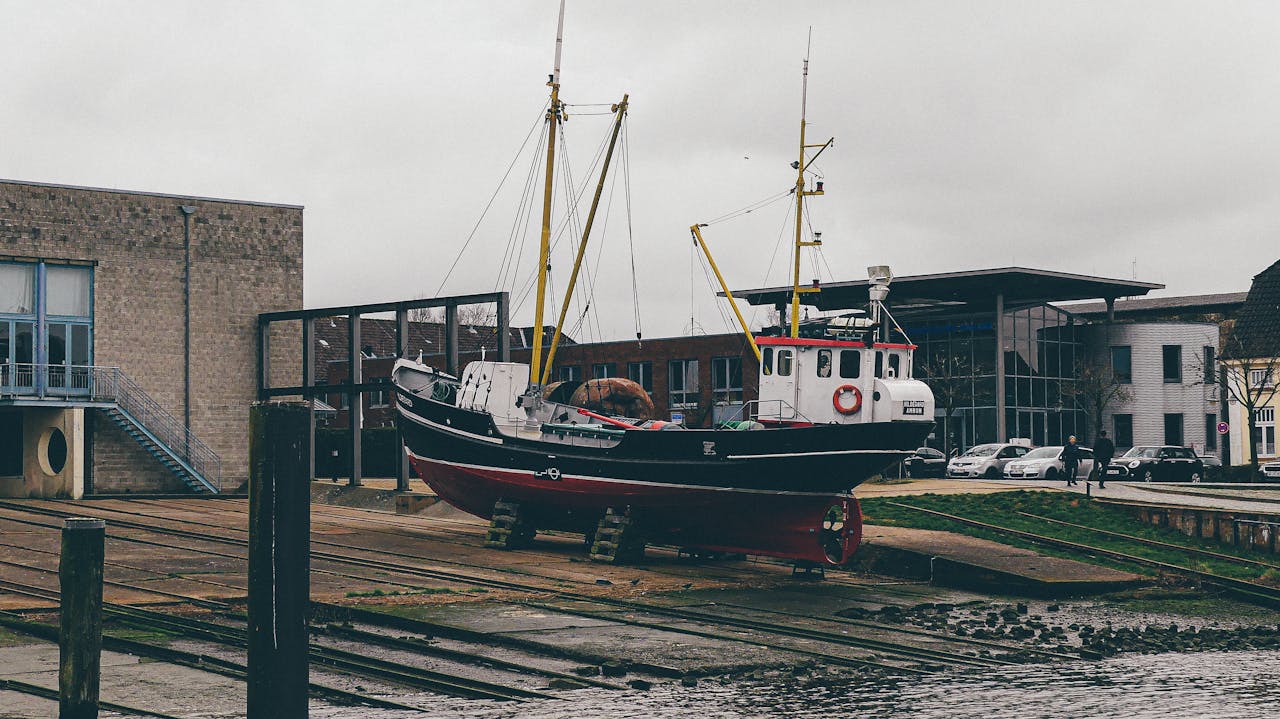
In-water cleaning is great for light to moderate fouling. Use soft-bristled brushes and low-pressure rinses to remove slime without harming coatings. For heavy barnacle coverage or when repainting antifouling, haul-out is usually the right move: it gives access for controlled scraping, sanding and application of protective coatings without contaminating the water.
Environmentally Responsible Practices
Use biodegradable, low-toxicity cleaners and avoid solvents that can harm marine life. Contain and properly dispose of scraped paint and fouling materials — many marinas offer waste capture systems or guidelines. Your boat’s care shouldn’t cost the ecosystem.
Protecting Materials
Different hull materials need different touches. Fiberglass gelcoat can be scratched by aggressive tools; aluminum reacts badly to steel brushes; wood needs gentle, preservative-conscious cleaning. Always confirm your cleaning tool’s compatibility before you start.
Inspection Techniques: Non-Destructive Methods Used by Your Boat
Detecting problems early is the name of the game. Your Boat uses a layered inspection approach that looks beyond surface dirt to the underlying condition—without cutting into the hull. These are the non-destructive testing (NDT) tools and techniques that bring clarity without damage.
Visual and Hands-On Checks
Start simple. Visual inspections are powerful: look for blistering, cracks, paint delamination, uneven wear and unusual fouling patterns. Run your hand along seams, around fittings, and over the keel — abnormal textures often reveal underlying issues.
Ultrasound Thickness Gauging
Ultrasonic gauges measure laminate and metal thickness. That’s invaluable for spotting corrosion or areas where the hull has thinned. It’s quick, accurate and doesn’t require opening the hull.
Moisture Meters and Dielectric Testing
Moisture meters help detect water intrusion in fiberglass or wooden laminates — early-stage osmosis shows up here. Dielectric testing can pinpoint saturated layers even under paint, letting you prioritize repairs.
Borescope Inspections
Borescopes slip through small access points to inspect voids, tanks, and structural cavities. These tiny cameras often reveal corrosion, loose fittings or growth inside bilges and tanks that would otherwise go unnoticed.
Infrared Thermography
Infrared cameras can spot delamination and wet areas by detecting temperature differences. It’s a clever way to find hidden trouble behind paint or gelcoat before you need to take drastic measures.
Electrical and Cathodic Protection Testing
Check sacrificial anodes, bonding continuity, and stray current paths. Poor electrical grounding or worn anodes accelerate corrosion — and that’s a problem you don’t want lurking under the waterline.
Seasonal Hull Maintenance Schedule from Your Boat Specialists
Consistent timing beats frantic fixes. Establishing a seasonal routine keeps your hull, propulsion and fittings in sync with wear and water conditions. Here’s a practical calendar you can adopt and adapt.
Spring — Pre-Season Readiness
Before the busy season, do a full visual and NDT inspection. Haul for bottom paint touch-up if needed. Replace sacrificial anodes, polish gelcoat, service seacocks and test through-hulls. Verify propeller balance and inspect shafts and cutlass bearings. The goal is to catch small issues before you head out in earnest.
Summer — Peak Use Maintenance
During summer, quick in-water checks every 4–8 weeks maintain speed and reliability. Clean running gear, monitor cooling intakes and inspect trim tabs and steering. Keep a close eye on propeller condition — nicks and fouling reduce efficiency dramatically.
Fall — Post-Season Cleanup
After a season of use, haul or perform a thorough in-water cleaning to remove accumulated fouling. Check for blistering after summer heat and consider repainting antifouling if life is low. Winterize engine systems and document everything for the off-season.
Winter — Repair and Refit
Use lay-up time to address any repairs, recoat antifouling, and perform deeper inspections. Store inspection reports and plan for spring services. Off-season is the best time for any work that requires extended haul-out time.
Choosing the Right Hull Cleaning Materials and Tools for Longevity
Picking the wrong tools is like using a sledgehammer to crack a nut — you’ll fix the immediate issue but create bigger problems down the line. Here’s how to choose materials and tools that protect your hull and prolong coating life.
Cleaners and Solvents
Always choose marine-specific, biodegradable cleaners. Avoid household acids or bleach, which strip protective coatings. For stubborn stains, a product formulated for gelcoat or aluminum will clean without eating into the surface.
Brushes, Pads and Scrapers
Soft nylon brushes work well on gelcoat; firmer, non-steel brushes suit aluminum. Use plastic scrapers for antifouling removal where possible. Steel tools are for controlled haul-out situations only — they can scratch and promote corrosion if used in-water.
Pressure Washing Best Practices
Keep pressure low (generally under 1500–2000 psi) and maintain a safe distance. High pressure can peel paint and damage underlying laminate. Combine pressure washing with gentle manual brushing for best results.
Antifouling Choices
Choose antifouling based on hull type and boating habits: hard paints for trailered boats or occasional use; ablative (self-polishing) coatings for boats with consistent speeds and in-water time. Where regulations apply or you prefer eco-friendly options, consider copper-free alternatives.
Anodes and Fasteners
Match sacrificial anode material to your hull and local water chemistry: zinc, aluminum, or magnesium. Replace anodes when more than 50% consumed. Check fasteners and seals whenever you service through-hulls or running gear.
Your Boat’s Expert Approach to Preventative Hull Care
Preventative care is not a single task — it’s a program. Your Boat’s approach combines tailored plans, consistent inspections and owner education so you’re not stuck with surprises. Here’s how we put preventative care into practice and how you can follow along.
Customized Maintenance Plans
No two boats or berths are identical. We assess hull material, usage patterns and local fouling pressure to build personalized schedules. That means you won’t be paying for unnecessary services, and you’ll get the right protection when you actually need it.
Comprehensive Reporting
Every inspection yields a service report with photos, measurements and prioritized recommendations. Keep those records — they’re gold for tracking trends, planning work, and proving maintenance during resale.
Integrated Service Coordination
We sync hull cleaning with prop and shaft service, anode replacement, and engine cooling system checks. Coordinating tasks reduces downtime and often saves money by consolidating haul-outs and labor.
Proactive Coatings Management
Don’t wait for the paint to flake before you act. We monitor coating life and recommend touch-ups or full re-coats before performance suffers. Proactive coating care extends intervals between major jobs.
Owner Education and Simple Checks You Can Do
You don’t need to be a mechanic to help. Rinse salt off after every cruise, inspect anodes monthly, and look for early blistering signs (small raised, discolored spots). If you spot something odd, take photos and call your service provider — quick responses make repairs cheaper.
Eco-Conscious Practices
We prioritize low-impact products and proper waste disposal so your maintenance doesn’t damage the coast you love. It’s not just responsible — it’s smart for business and for the long-term health of local waters.
Pre-Cleaning Checklist
- Confirm hull material and finish (fiberglass gelcoat, painted aluminum, or wood).
- Check local harbor rules for in-water cleaning and waste capture requirements.
- Take baseline photos of the hull and running gear for your records.
- Secure onboard items and remove loose debris.
- Have appropriate PPE on hand and containment plans for paint/fouling waste.
Post-Cleaning Checklist
- Rinse and neutralize cleaning agents; don’t let residues run unchecked into the water.
- Inspect and, if necessary, replace sacrificial anodes and check fastener integrity.
- Record remaining antifouling life and schedule the next re-coat before it drops too low.
- File the inspection report with photos and prioritized next steps.
- Note any unusual findings and set a follow-up date — it’s easier to fix small issues promptly.
Frequently Asked Questions
How often should I haul my boat for a full hull inspection?
For most coastal vessels, an annual haul-out for a thorough below-waterline inspection is a good rule of thumb. If you’re in warm, high-fouling waters or use the boat heavily, consider an additional haul-out mid-season.
Can hull cleaning be done while the boat is in the water?
Yes — for light to moderate fouling, in-water cleaning with soft brushes and low-pressure washing is effective and quick. However, heavy barnacles, extensive paint removal, or any work that generates hazardous waste is better handled on a lift or drydock.
Is antifouling paint safe for the environment?
Modern antifouling systems are designed to minimize environmental impact. There are copper-based and copper-free formulations; consult local regulations and choose compliant products. Your Boat can recommend options that balance performance and ecological sensitivity.
How do I know if my hull has osmotic blisters?
Look for small raised, often discolored blisters beneath the gelcoat that may feel soft when pressed. Moisture meters and infrared scans are reliable ways to confirm and map the extent of osmosis.
Hull Cleaning and Inspection Best Practices aren’t just maintenance items on a checklist — they’re investments in safety, performance and enjoyment. By combining regular cleaning, smart use of NDT inspections, correct materials, and a sensible seasonal plan, you keep your boat ready for the water and avoid the frustration of last-minute repairs. If you want help building a customized maintenance plan for your hull, prop, and systems, contact Your Boat’s service team — we’ll get you back out on the water, faster and smarter.