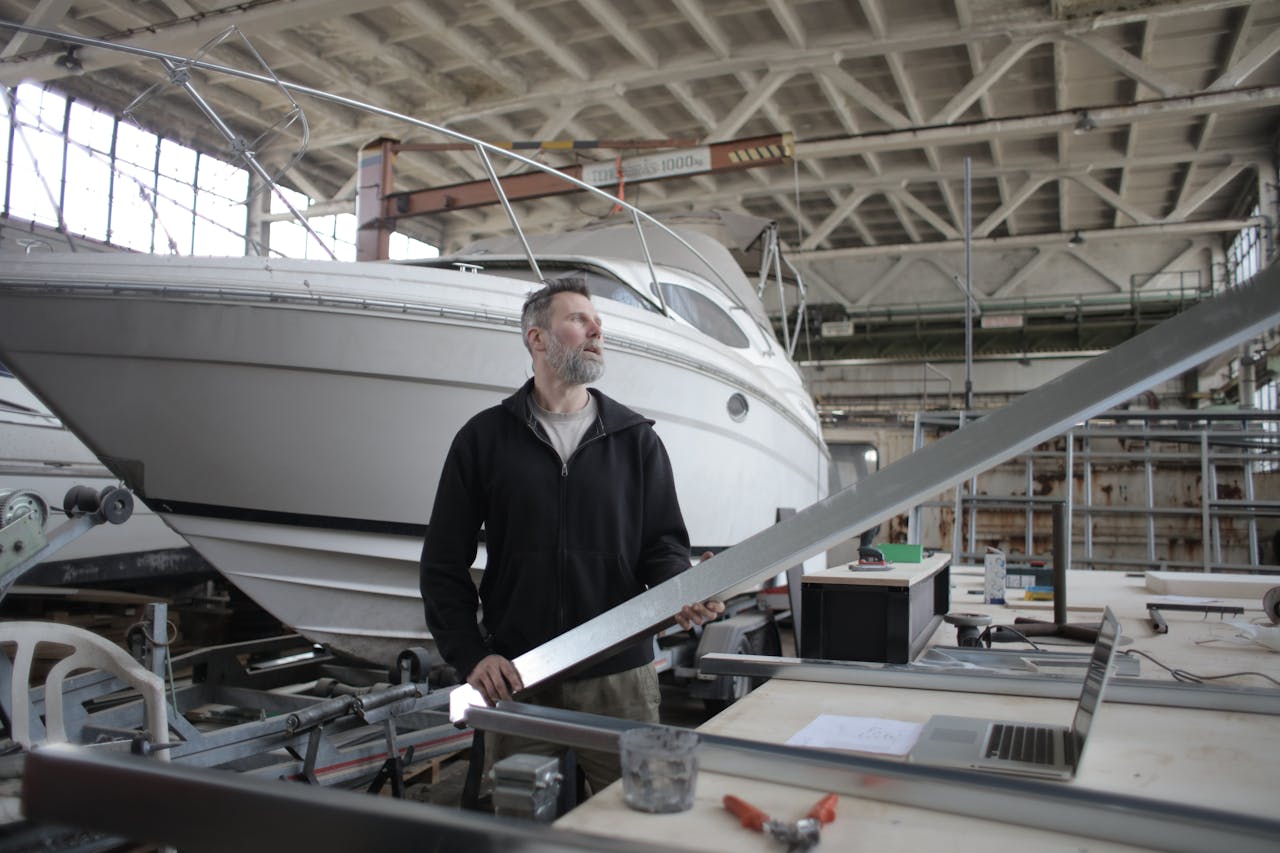
Ready for Safer Days on the Water? How Boating Safety, Regulations & Best Practices from Your Boat Keep You Confident and Compliant
Picture this: a cool morning fog lifting over the marina, lines untied, engine humming, and you—relaxed, in control, and ready to enjoy the day. That’s the goal. But to get there consistently, you need more than optimism and good weather. You need practical knowledge, reliable gear, and a plan. This guide on Boating Safety, Regulations & Best Practices from Your Boat is written for you — whether you’re a weekend weekend day-tripper, an aspiring cruiser, or a seasoned boater who likes a little extra peace of mind.
Carbon monoxide is a silent, odorless risk that can turn a pleasant trip into a tragedy if undetected; for practical tips on preventing CO exposure and keeping exhaust systems safe, consult our detailed resource at Carbon Monoxide Safety on Boats, which explains detector placement, ventilation best practices, and how to interpret symptoms so you can act fast at the first sign of trouble.
Regulatory compliance keeps you legal and safe, but it also protects other boaters; if you want a clear checklist of U.S. Coast Guard rules and how to meet them efficiently, check out Coast Guard Regulations Compliance Essentials for straightforward explanations of required equipment, documentation, and inspection tips that make pre-departure planning less intimidating and more reliable.
Practicing emergency responses makes calm reactions the default when things go sideways; our guide on Emergency Procedures and Drill Schedules walks you through realistic drills, how often to rehearse them, and ways to involve new crew so everyone knows their role and responds quickly and competently under pressure.
If you’re looking for a starting point for local resources, service contacts, and additional reading, visit https://sozialforum-hamburg.de where you’ll find central links to safety articles, community advisories, and contact options for professional inspections—handy when you want a single hub for ongoing boating advice and regional updates.
Nothing beats a properly fitted life jacket in an emergency, so take a moment to learn how to choose and wear the right PFD; our clear guidance at Life Jacket Fit and Usage Guidelines covers sizing, types, and modern features like integrated harnesses and lights, ensuring you and your passengers stay afloat and visible when it matters most.
Good trips start with good planning—don’t gamble on weather. For detailed methods to check forecasts, understand marine markers, and plan routes around wind, tide, and currents, see Weather Forecasting and Trip Planning Tips, which gives practical steps to avoid common pitfalls and make your outings safer and more predictable.
Boating Safety, Regulations & Best Practices: A Guide for Your Boat Customers
Boating is freedom wrapped in salt spray and sunshine. It can also turn stressful or dangerous fast if a few basics are ignored. Let’s cut through the jargon: safety on the water starts with preparation, awareness of rules, and a bit of respect for nature’s unpredictability. This section walks you through the essentials so you can focus on what matters—enjoying time on the water with friends and family.
Why this matters
Accidents often begin as small, preventable problems: a frayed rope, a weak battery, or a foggy forecast you skimmed over. By adopting a safety-first mindset, you dramatically lower the odds of incidents and make good days routine. Plus, following regulations protects you from fines, reduces risk to wildlife, and keeps everyone safer.
Who should read this
If you own or operate a recreational boat in California—or plan to—this guide is for you. It’s aimed at people who want clear, actionable steps: checklists you’ll actually use, emergency routines that stick in your memory, and practical maintenance tips from a team that knows boats inside out.
Your Boat’s Maintenance-Driven Approach to Safer Boating
At Your Boat, we believe the single best investment in safety is consistent, professional maintenance. Boats are complex machines operating in punishing environments—salt, sun, moisture, and vibration. Neglect any part and the whole system gets grumpy fast.
Maintenance is prevention, plain and simple
Think of maintenance as insurance you can see: fresh belts, a healthy battery, and a clean cooling system mean fewer breakdowns. That’s not theoretical. We see it every season. Boats serviced regularly are much less likely to break down mid-trip, catch fire from electrical faults, or leave you stranded with a burst hose.
What we focus on
- Engine health: oil changes, impeller checks, fuel systems and filters.
- Electrical systems: charging performance, corrosion control, and safe shore power connections.
- Steering and propulsion: hydraulics, linkages, prop balance, and lower unit care.
- Hull integrity: sacrificial anode replacement, through-hull checks, and anti-fouling where needed.
- Documentation: a clear service history so you know what was done, and when.
How this keeps you safer
Regular service reduces unexpected failures, improves maneuverability in tight spots, and ensures safety systems—like bilge pumps and fire suppression—actually work when you need them. Don’t wait until something goes wrong; proactive upkeep is the best defense.
Understanding California Boating Regulations with Your Boat
Rules aren’t invented to be annoying; they exist because they work. California’s regulations cover everything from who can operate a vessel to what gear you must carry. Below are the key regulations you should know so you don’t get caught off-guard.
Operator certification and age rules
California requires younger operators to have a boater card. The exact age and certification requirements change over time, so check current guidance. If you’re teaching a new boater, ensure they meet the legal requirements before handing over the helm.
Required safety equipment
The basics: enough USCG-approved PFDs for everyone on board, appropriate fire extinguishers, sound signals, navigation lights, and visual distress signals where required. For offshore trips you’ll need items like EPIRBs or PLBs. Make it a habit to inspect and confirm these items are accessible before each departure.
Local navigation rules and no-wake zones
Speed limits, no-wake zones, and restricted areas protect both people and shorelines. Obey posted signs and local ordinances—especially in marinas and wildlife areas. Your actions affect erosion, swimmers, and wildlife, so slow down when required.
Pollution rules and waste handling
California has strict laws against discharging sewage and polluting waters. Use pump-out stations, manage fuel carefully, and pack out trash. A responsible approach keeps waters healthy and reduces the chance of fines or cleanup costs.
Alcohol and drug policies
Operating under the influence is illegal and dangerous. BUI laws carry penalties similar to DUI—fines, loss of privileges, or arrest. Keep a sober operator and a sober backup plan. If you intend to consume alcohol, plan for it accordingly.
Preventive Maintenance for Safer Vessels: Checklists from Your Boat
Checklists are your best friend on a boat. They remove guesswork and make small tasks automatic. Below you’ll find checklists for pre-season, pre-departure, and monthly care—designed so you actually use them.
Pre-season service checklist
- Full engine tune: oil, oil filter, fuel filter, impeller, belts inspected/replaced.
- Battery test and terminal cleaning; check alternator output and charger.
- Replace sacrificial anodes and inspect through-hull fittings.
- Inspect fuel tanks and lines for leaks or soft spots; replace old hoses.
- Test bilge pumps and float switches under real load.
- Check steering system, fluid levels, and linkages for play.
- Inspect propellers for dings and balance; replace damaged units.
- Update charts, navigation device firmware, and AIS databases.
Pre-departure checklist (short trips)
- Review weather, tide, and current forecasts.
- Confirm VHF radio works and Channel 16 is monitored.
- PFDs accessible and correctly sized for each person.
- Fuel level confirmed; spare fuel stored safely if needed.
- Navigation lights tested if there’s any chance of reduced visibility.
- Fire extinguishers and first aid kit accessible.
- Float plan filed with a shore contact and estimated return time.
- All loose gear stowed and hatches secured.
Monthly checklist
- Run engine to operating temperature; listen for irregular sounds.
- Operate bilge pump and check for unusual odors or fluid in bilge.
- Inspect shore power connections and charging systems.
- Look for hull fouling; clean or schedule anti-fouling if needed.
- Check dates on flares and service dates on fire extinguishers.
- Top up spare parts: fuses, impellers, belts, fuel filters.
Emergency Readiness on Board: Drills, Gear, and Procedures
When the unexpected happens, your reaction is everything. Drills build muscle memory. Gear that’s organized, labeled, and practiced with will be used correctly under stress. Here’s how to make sure you and your crew know what to do.
Essential emergency gear
- USCG-approved PFDs for everyone, plus a throwable device.
- VHF radio with DSC and a charged handheld backup.
- EPIRB or PLB for offshore cruising; registered and annually checked.
- Whistle, air horn, and waterproof flashlight with spare batteries.
- Comprehensive first aid kit and seasickness remedies.
- Fire extinguisher(s) appropriate to your vessel size and accessible.
- Manual bilge pump and basic hull repair kit.
- Extra lines and a throwable heaving line for quick recovery.
How to run effective drills
Don’t make drills a chore. Keep them short, realistic, and frequent. Run a man overboard drill and practice communicating location, deploying flotation, and executing recovery maneuvers. Rehearse fire scenarios: shut fuel valves, isolate the fire, and practice extinguisher technique. Finally, walk through an abandon-ship checklist—where gear is, how to operate the EPIRB, and who takes which role.
Roles and written procedures
Assign roles: helm, communicator, gear handler, and medical lead. Write these roles down and post them near the helm. A concise, laminated emergency plan is worth more than a dozen vague good intentions.
Safety Gear, Inspections, and Environmental Responsibility with Your Boat
Safety gear only keeps you safe if it works. Environmental responsibility keeps you legal and keeps the resource you love healthy. Both matter. Here’s how to manage equipment and minimize your environmental footprint.
Inspecting and maintaining safety equipment
- Life jackets: check for rips, compressions, and ensure proper fit.
- Flares/signaling: verify expiration dates and replace expired items.
- Fire extinguishers: check gauges and mounting; service as required.
- Bilge pumps: test under load and clear strainers of debris.
- CO and smoke detectors: test monthly and change batteries annually.
Environmental best practices
A few sensible habits protect the ocean and your reputation. Use biodegradable cleaners, maintain engines for efficiency, and never toss garbage or plastics overboard. Use pump-out stations for sewage and avoid anchoring in seagrass beds or sensitive habitats. These choices keep the water clean and wildlife safe.
Seasonal risks specific to California
California boating brings regional quirks: fog in the mornings, shifting sandbars, and occasional algal blooms. Check harbormaster notices and local advisories before heading out. Your Boat keeps tabs on local conditions and can help plan routines that reduce seasonal risks.
Practical Scenarios and Decision-Making Onboard
It’s one thing to know the rules; it’s another to make the right call in the moment. Here are concise decision guides for common problems—designed so you can act quickly and confidently.
Lost visibility (fog)
- Reduce speed to safe levels immediately.
- Sound fog signals and use radar if available.
- Keep a sharp visual and aural lookout; monitor GPS position.
- If unsure of position, anchor or drift safely until visibility improves.
Engine failure near shore
- Deploy anchor if it’s safe to do so to avoid drifting into hazards.
- Attempt basic troubleshooting: fuel shutoff position, battery connections.
- Call for assistance on VHF Channel 16 and alert your float plan contact.
- Be prepared to rig a tow or accept tow assistance; keep passengers calm and ready.
Medical emergency onboard
- Assess airway, breathing, circulation and provide first aid within your training.
- Contact emergency services and relay location, condition, and number of patients.
- Prepare for evacuation: secure patient, organize buoyancy aids, and coordinate with rescuers.
Working with Your Boat: Services That Improve Safety
You don’t have to do this alone. Your Boat offers services tailored to keep your vessel safe and legal. We blend technical skill with a practical approach that helps you prioritize repairs and fixes so your budget goes further.
Services we provide
- Comprehensive seasonal servicing and pre-cruise inspections.
- Safety equipment inspection, replenishment, and certification guidance.
- Electrical diagnostics, wiring repairs, and battery system upgrades.
- Emergency readiness training and on-board drill facilitation.
- Environmental maintenance: anti-fouling advice, leak prevention, and cleaner operations.
Whether you’re prepping for a family cruise or buying a used boat, a professional inspection identifies hidden issues and prioritizes what must be fixed now versus what can wait.
Quick Reference Table: Minimum Safety Items by Vessel Type
| Vessel Type | Minimum Safety Items |
|---|---|
| Small motorboat (under 16 ft) | PFDs for all, throwable device, whistle/horn, daytime visual signal (as required), fire extinguisher |
| Recreational powerboat (16–26 ft) | PFDs, throwable device, portable VHF, fire extinguisher(s), navigation lights, bilge pump |
| Offshore cruiser / sailboat | EPIRB/PLB, life rafts depending on range, PFDs with harnesses & lights, flares, emergency steering, comprehensive first aid kit |
Final Recommendations: Practical Steps Before You Cast Off
Let’s make this simple. Follow these five steps before each outing and you’ll cut risk dramatically:
- Run a short safety briefing: show PFD locations, emergency roles, and basic rules.
- Do a pre-departure checklist—fuel, weather, communications, and gear.
- File a float plan with someone ashore who’ll notice if you’re late.
- Keep up with seasonal maintenance. A professional service every season transforms “maybe” problems into “fixed” problems.
- Inspect safety equipment before and after each trip, and replace expired items immediately.
Boating Safety, Regulations & Best Practices aren’t just a list of do’s and don’ts. They’re a mindset. Blend good habits with the right gear, and you’ll spend more time relaxing and less time worrying. If you’re unsure about any item on these lists, or you want a professional to go over your boat from bow to stern, Your Boat’s technicians are ready to help. We’ve been keeping California boaters safe since 2015—practical advice, honest repairs, and straightforward service.
Want a safety check before your next trip?
Contact Your Boat for a pre-departure inspection or seasonal service. We’ll walk you through the essentials, tune up your systems, and leave you with a clear action list—so you can get back to what matters: great days on the water.