West Palm Beach is a place where boats are more than weekend toys; they are daily companions for many residents and visitors. The combination of saltwater exposure, high humidity, intense sun, and a year-round boating season creates a specific maintenance environment that rewards preventive care and disciplined upkeep. As the author of sozialforum-hamburg.de, I draw on principles we emphasize in Coastal California—regular inspection cycles, detailed maintenance logs, and an emphasis on safety and regulatory compliance—to offer practical, actionable guidance for owners here in Florida. The goal is to reduce downtime, avoid costly emergency repairs, and keep vessels operating safely and efficiently. Below you will find detailed recommendations on what to check and when, how to evaluate service providers, and practical steps to preserve hull integrity, propulsion systems, and onboard electronics throughout the seasons.
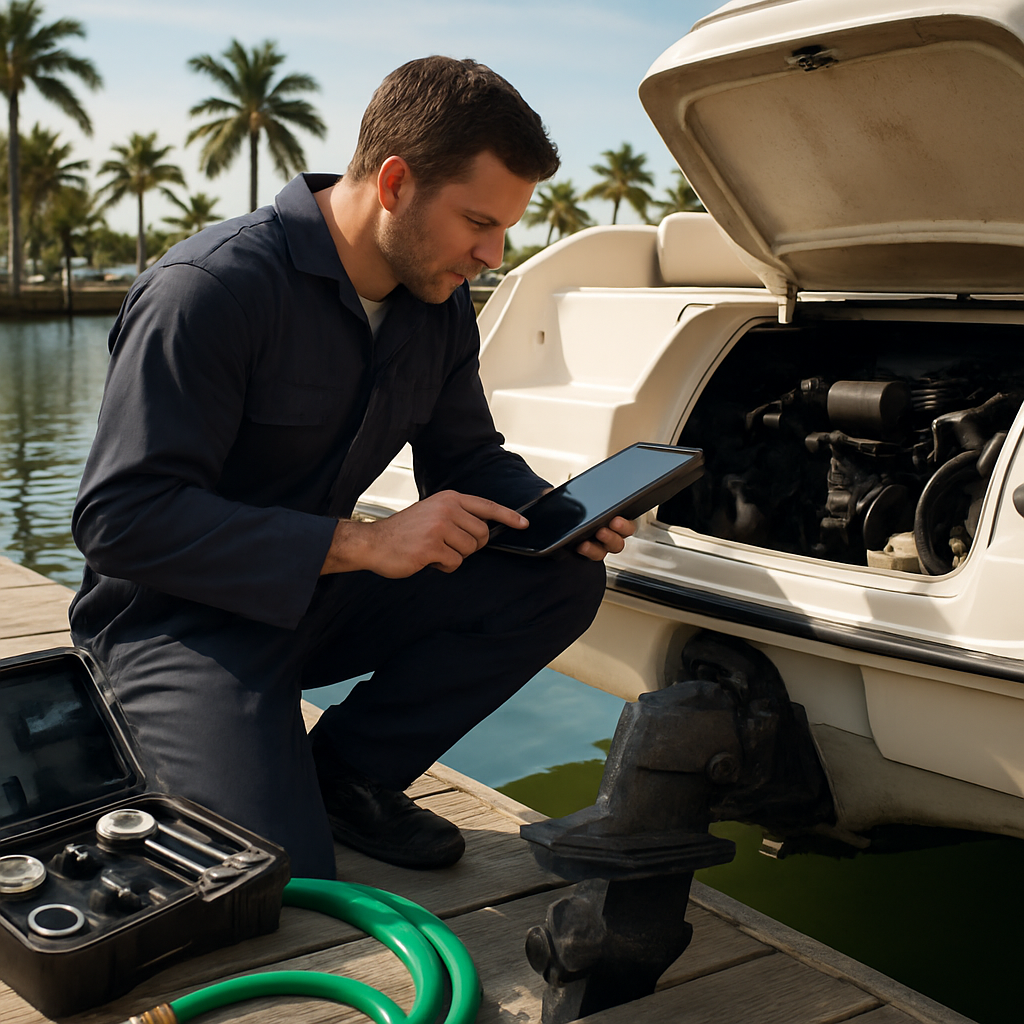
For owners who prefer the convenience of technicians coming to the dock, a strong option to consider is Boat Repair West Palm Beach. Mobile providers specializing in coastal conditions bring advanced diagnostic tools, spare components, and freshwater flushing equipment directly to your berth, which often avoids the time and cost of hauling out. When selecting such a service, verify their ability to perform in-situ diagnostics for engines and electrical systems, their parts inventory strategy for common failures, and whether they produce written service reports that you can add to your maintenance records. A mobile visit can also be an opportunity to educate you on simple preventive actions you can perform regularly between professional visits to lengthen intervals between major services.
Why preventive maintenance matters more in tropical coastal climates
Preventive maintenance in a subtropical environment like West Palm Beach is an investment in reliability and resale value. Salt air accelerates galvanic and electrolytic corrosion, UV radiation rapidly degrades hoses, seals, canvas, and gelcoat, and the constant wet/dry cycles in bilge and electrical areas foster contact degradation. A thoughtful maintenance plan includes scheduled engine servicing, sacrificial anode replacement, battery and charging system checks, fuel polishing where appropriate, and routine hull inspections. Documentation is central: dated inspection reports, filter change logs, oil analysis results if used, and notes on any corrective actions help you detect trends before they develop into failures. By prioritizing routine maintenance and acting on minor defects quickly, owners can avoid the cascading costs of compound damage—such as a small osmotic blister that becomes an expensive structural repair, or a corroded starter solenoid that leads to an unnecessary tow and towage fees.
Advantages of mobile on-site repair and what to expect
Mobile technicians are particularly valuable in heavily used harbors and marinas because they reduce the need for haul-outs and can respond quickly to operational issues that occur between cruises. A professional on-site visit typically begins with a systematic diagnostic approach: interview the owner about symptoms, run onboard diagnostics, inspect fuel and cooling systems, and test electrical circuits under load. Shipside repairs can range from fuel filter and impeller replacements to starter or alternator swaps, electrical reconnections, and temporary hull patching to allow safe transit to a repair facility if needed. When evaluating mobile providers, confirm their parts procurement process—do they carry common OEM spares or reliable aftermarket alternatives?—and ask whether they offer follow-up inspections to verify repairs. In West Palm Beach, service providers that tailor their offerings to coastal conditions and maintain transparent pricing and guarantee terms stand out in reliability and customer satisfaction.
Engine, electrical, and driveline repairs: typical faults and how to prevent them
Most marine engine failures trace back to fuel, cooling, or electrical system issues. Fuel contamination—water, microbial growth, or varnished deposits—causes poor combustion, clogged filters, and injector problems; regular fuel polishing and filter replacement are essential. Cooling system blockages or impeller failures quickly overheat engines; a routine impeller inspection and flushing after operations in shallow or silty waters reduce that risk. Saltwater-induced corrosion on electrical terminations, switches, and grounds often manifests as intermittent faults; preventive measures include dielectric grease, marine-grade connectors, and routine cleaning. For propulsions systems, monitor propeller condition, shaft alignment, and couplings to prevent vibration-induced bearing or seal failure. Logging hours and correlating them with maintenance tasks—such as scheduled impeller and belt replacements, coolant changes, and battery load testing—helps you choose replacement intervals that align with actual use rather than arbitrary calendar dates.
Hull, gelcoat and fiberglass care to protect structural integrity
Hull condition affects safety, speed and fuel efficiency as well as aesthetics. Small gelcoat chips or hairline cracks may appear cosmetic at first but can permit water intrusion into the laminate, leading to osmosis or delamination over time. Owners should perform regular visual inspections and tactile checks for soft spots that could indicate compromised laminate. Prompt repair of gelcoat chips by a qualified technician using appropriate fillers, primers and UV-stable topcoats prevents further water ingress. For structural damage, a properly executed fiberglass repair requires grinding back to sound material, specific resin selection, and controlled layering to restore strength and shape. Antifouling systems deserve seasonal attention as well: a clean, properly coated hull reduces drag and increases fuel economy. When selecting products, choose antifouling compatible with your slip or marina regulations and the local marine growth patterns.
Trailer, lift and detailing services: complete seasonal readiness
Trailering safety and lift reliability are frequently overlooked but critical aspects of boat ownership. Trailer inspections should include brake system function, wheel bearing condition, frame integrity, tire tread and pressure, and the condition of lights and wiring. Lift systems must be inspected for cable or strap wear, motor function, and corrosion on load-bearing elements; regular maintenance avoids costly drops or mechanical failures. Detailing services that offer professional cleaning, stain removal, fabric protection, and UV-resistant treatments help preserve surfaces and soft goods, extending their service life. A comprehensive seasonal readiness package that bundles hull cleaning, engine tuning, trailer check, and interior conditioning minimizes friction at the start of the season and reduces the likelihood of mid-season surprises—many owners find that single-vendor solutions simplify logistics and accountability.
Safety inspections and regulatory compliance in Florida waters
Compliance with Coast Guard equipment standards and state regulations is both a safety imperative and a practical requirement for insurance and incident mitigation. Inspections should verify the presence and serviceability of life jackets appropriate to the size of your crew, operational fire extinguishers with visible inspection tags, functional navigation lighting, and operational sound-signaling devices. Carbon monoxide detectors, automatic bilge pump operation, and clear, labeled shore power connections are additional priorities, especially on boats used for overnight stays. Maintain a documented checklist of required equipment and its inspection dates; this documentation assists in insurance claims and demonstrates diligence if regulatory bodies conduct spot checks. Professional service providers sometimes offer documented safety audits, which can be especially useful when preparing a vessel for charter or sale.
Selecting the right service provider for Boat Repair West Palm Beach
Choosing a capable service partner requires balancing technical competence with responsiveness and transparency. Key selection criteria include demonstrated experience with your vessel type and systems, clear warranty policies on both labor and parts, and the ability to produce and keep detailed service records. Some providers offer subscription-style membership plans that include priority scheduling, discounts on routine services, and emergency assistance—these can be cost-effective for vessels in frequent use. When evaluating bids, request itemized estimates, ask about expected turnaround times for major repairs, and verify technician certifications or manufacturer authorizations for engines and major systems. A provider that communicates openly about trade-offs—such as OEM parts vs. quality aftermarket options—and that documents work comprehensively will help you maintain a robust maintenance history that protects both safety and resale value.
Cost management strategies and membership plans
Boat ownership inevitably includes variable maintenance costs, but there are strategies to smooth expenses and gain priority access when needed. Membership plans offered by some service providers bundle routine inspections, seasonal checkups, and reduced emergency service rates into an annual fee; for owners who operate frequently or rely on their vessel for business, such plans often pay for themselves through reduced emergency surcharges and faster response. Preventive measures like fuel polishing at defined intervals, scheduled consumable replacements, and early-season system checks avoid catastrophic failures that are expensive and time-consuming. Keep a running maintenance ledger that tracks both labor and parts per job; this ledger helps budget for expected future expenses and provides a negotiation baseline when soliciting quotes for larger projects.
Preparing for storm season and long-term layup
In regions prone to tropical storms, a storm-readiness checklist is indispensable. Secure loose items, reinforce canvas and covers, ensure proper chafe protection for mooring lines, and consider additional sacrificial fendering if exposure is expected. Remove valuables and sensitive electronics if leaving a boat in place for extended periods, and maintain a watch plan with your marina or a dock neighbor if possible. For long-term layup or winterization—particularly for owners who transport boats to cooler climates—drain and stabilize fuel systems, fog the engine if recommended, remove batteries or maintain them on a managed charging schedule, and ensure that closed systems are protected against freeze damage. Proper layup procedures minimize startup issues and reduce the risk of mold, mildew, and component degradation during storage.
Common Questions About Boat Repair in West Palm Beach
What are the most common boat repair issues?
Common repair issues include fuel contamination and related injectors or carburetor problems, impeller and cooling system failures, electrical corrosion leading to intermittent faults, and hull damage from groundings or impact. Regular checks and preventive steps, like fuel filtration, freshwater flushing, and connection maintenance, address many of these recurring causes and reduce the frequency of emergency repairs.
How often should I have my boat professionally serviced?
At minimum, have a professional inspection annually, with additional checks keyed to hours of operation or seasonal usage. High-use vessels benefit from pre-season and post-season inspections plus mid-season spot checks. Maintain a service log and align major service intervals—such as lower unit servicing, coolant replacement, and fuel system servicing—to either elapsed hours or manufacturer-recommended schedules.
Are mobile boat repair services reliable for major repairs?
Mobile services are highly reliable for diagnostics, routine repairs, and many component replacements. For major structural repairs or cases requiring a controlled workshop environment, a haul-out to a specialized yard may be necessary. Verify the mobile provider’s certifications and ask for examples of complex repairs they have completed on-site to understand their capability limits.
How can I minimize corrosion on electrical systems?
To reduce corrosion, use marine-grade wiring and connectors, apply dielectric grease to exposed terminals, ensure proper battery ventilation, and perform routine inspections for oxidation. Consider sacrificial anode systems and regular washdowns with fresh water after saltwater exposure. Periodic professional inspections can identify early-stage corrosion before it compromises system integrity.
What should I do during an emergency on the water?
Have an emergency plan that includes a VHF radio check, a reachable emergency contact, and a basic toolkit. Keep an up-to-date emergency kit aboard with flares, a first aid kit, and an operational fire extinguisher. Know how to reach local rapid-response services and consider membership programs that provide priority emergency assistance—if urgent assistance is needed, contacting a local provider experienced in rapid response can save time and reduce further damage.